Skin Wellness
Stress and Skin: How Cortisol and Habits Show on Your Face
Quick answer
Stress raises cortisol and can disrupt sleep, eating and skin routines, which may show up as breakouts or dullness. Managing stress with movement, sleep and support matters more than any supplement.
What stress does
The NIMH stress fact sheet explains how stress affects body and mind, including sleep and appetite.
Skin connection
Stress is linked with flare-ups of some skin conditions. People may also skip skincare when stressed.
See JellyGlow pricing and the 60-day guarantee
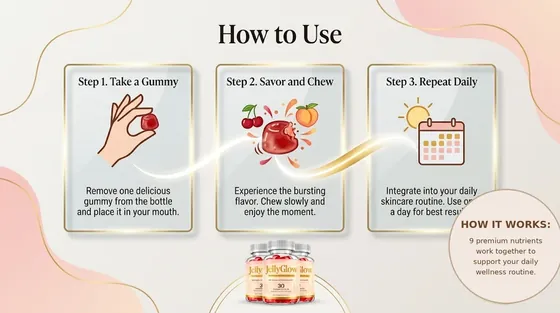
One gummy a day, nine named ingredients, free U.S. shipping on 3 and 6 bottles.
Check Today's PricingWhat helps
- Regular exercise and outdoor time.
- Consistent sleep (sleep guide).
- Talking with a professional when stress feels heavy.
The stress-skin loop
Stress can worsen skin conditions, and visible skin problems can raise stress, creating a loop. Breaking it often means improving sleep and adding movement before adding products.
Short daily practices such as a 10 minute walk or breathing exercise are easy to maintain.
When to see a professional
Persistent anxiety, low mood or skin conditions that disrupt daily life deserve a conversation with a doctor or dermatologist. Supplements should not delay care.
Adaptogens
Rhodiola and ginseng are traditional adaptogens, but evidence is limited; see rhodiola and ginseng.
Frequently Asked Questions
Can stress cause acne?
It can aggravate breakouts in some people.
Is there a stress supplement?
Evidence is limited; ask a clinician.
When should I seek help?
If stress affects daily life.
Does stress cause wrinkles?
Chronic stress and poor sleep may contribute to a tired look.
Are adaptogens proven?
Evidence is limited and mixed.
Ready to try JellyGlow?
Order from the official checkout, take one gummy a day and use the full 60-day money-back window to decide.
Order JellyGlow NowSources
Keep reading
This article is general information, not medical advice. See our disclaimer.