Ingredients
Antioxidants and Skin Explained: Food First, Supplements Second
Quick answer
Antioxidants such as vitamins C and E and plant polyphenols help neutralize free radicals. The NIH notes whole foods are the best source and that antioxidant supplements have not shown clear benefits for preventing disease.
What antioxidants do
Skin is exposed to UV light and pollution, which create free radicals. Antioxidants can neutralize them in lab settings.
What NIH says
The NCCIH antioxidants page explains that diets rich in fruits and vegetables are linked to better health, but large trials of antioxidant pills have not confirmed benefits.
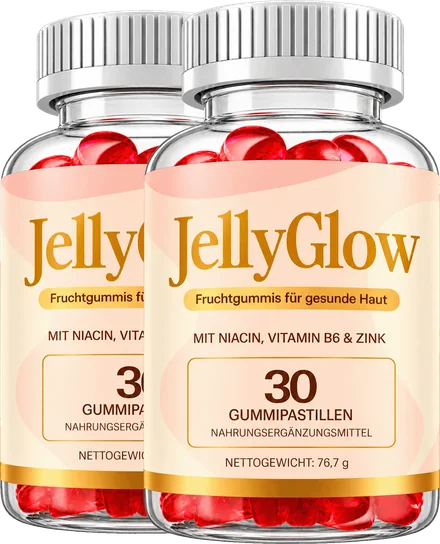
See JellyGlow pricing and the 60-day guarantee
One gummy a day, nine named ingredients, free U.S. shipping on 3 and 6 bottles.
Check Today's PricingWhere supplements fit
A modest supplement can fill diet gaps. JellyGlow includes grape seed extract, a polyphenol source, in a small amount.
Examples of antioxidant nutrients
- Vitamin C: citrus, peppers, strawberries.
- Vitamin E: nuts, seeds, vegetable oils.
- Carotenoids: carrots, sweet potatoes, leafy greens.
- Polyphenols: berries, tea, cocoa, grape seed.
Why pills may not match food
Foods deliver antioxidants together with fiber and hundreds of other compounds. Isolated high-dose antioxidants have sometimes failed to show the benefits seen with diets rich in produce, and in some cases, such as beta-carotene in smokers, increased risk.
Best habits
Eat colorful produce (MyPlate), wear sunscreen (CDC) and avoid smoking.
Frequently Asked Questions
Do antioxidants prevent wrinkles?
No supplement is proven to do so.
Is more antioxidant better?
No; very high doses can backfire.
Which foods are rich?
Berries, leafy greens, nuts and tea.
Do antioxidants prevent sun damage?
No; sunscreen and shade are the main protection.
How many fruits and vegetables should I eat?
The Dietary Guidelines suggest about 2 cups of fruit and 2.5 to 3 cups of vegetables for many adults.
Ready to try JellyGlow?
Order from the official checkout, take one gummy a day and use the full 60-day money-back window to decide.
Order JellyGlow NowSources
Keep reading
This article is general information, not medical advice. See our disclaimer.