Ingredients
What Does 20:1 Extract Mean? Reading Herbal Extract Ratios
Quick answer
A 20:1 extract means about 20 parts of raw plant were concentrated into 1 part of extract. It describes concentration, not guaranteed potency, so look for standardized active compounds when available.
The simple math
If a gummy has 195 mg of 20:1 maca extract, it may represent roughly 3.9 g of raw root. For 2 mg of ginseng at 20:1, the equivalent is about 40 mg of root.
What the ratio does not say
It does not state how much of any active compound is present, and quality depends on the plant, the part used and the process.
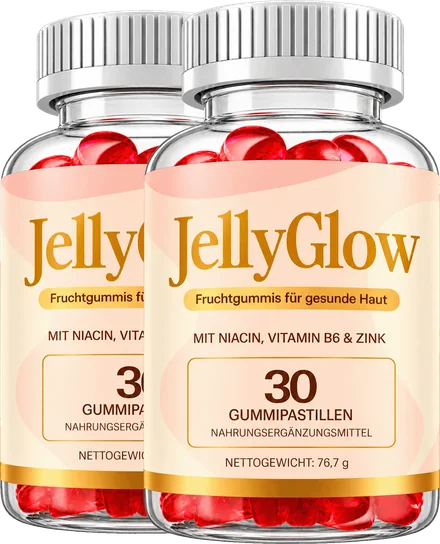
See JellyGlow pricing and the 60-day guarantee
One gummy a day, nine named ingredients, free U.S. shipping on 3 and 6 bottles.
Check Today's PricingStandardized vs ratio extracts
Standardized extracts guarantee a percentage of a marker compound. Ratio extracts guarantee only a concentration factor.
Examples with JellyGlow numbers
| Ingredient | Extract per gummy | Approx. raw plant |
|---|---|---|
| Maca root | 195 mg | 3.9 g |
| Grape seed | 2 mg | 40 mg |
| Ginseng root | 2 mg | 40 mg |
| Rhodiola root | 1 mg | 20 mg |
Caveats
These conversions assume the ratio is accurate and apply to the whole plant material. Real-world yield varies with solvent, plant part and processing, so treat the numbers as estimates only.
What to look for
Read the panel, as in our label guide, and compare amounts with study doses using NCCIH pages for ginseng and rhodiola.
Frequently Asked Questions
Is a higher ratio better?
Not necessarily; quality and standardization matter.
Why do extracts exist?
To fit plant material into small servings.
Does JellyGlow standardize its extracts?
The label lists 20:1 ratios; check the bottle.
Is 20:1 the same as 20 percent?
No; it is a concentration factor, not a percentage.
Why not just use powder?
Extracts fit more plant material into a small gummy.
Ready to try JellyGlow?
Order from the official checkout, take one gummy a day and use the full 60-day money-back window to decide.
Order JellyGlow NowSources
Keep reading
This article is general information, not medical advice. See our disclaimer.